
Faculty Research and Creative Works
Our research and creative works reflect the heart of who we are: a college where artists, designers, humanists, musicians, performers, choreographers, technologists and scholars push boundaries, challenge assumptions and invite novel connections.

MISSION
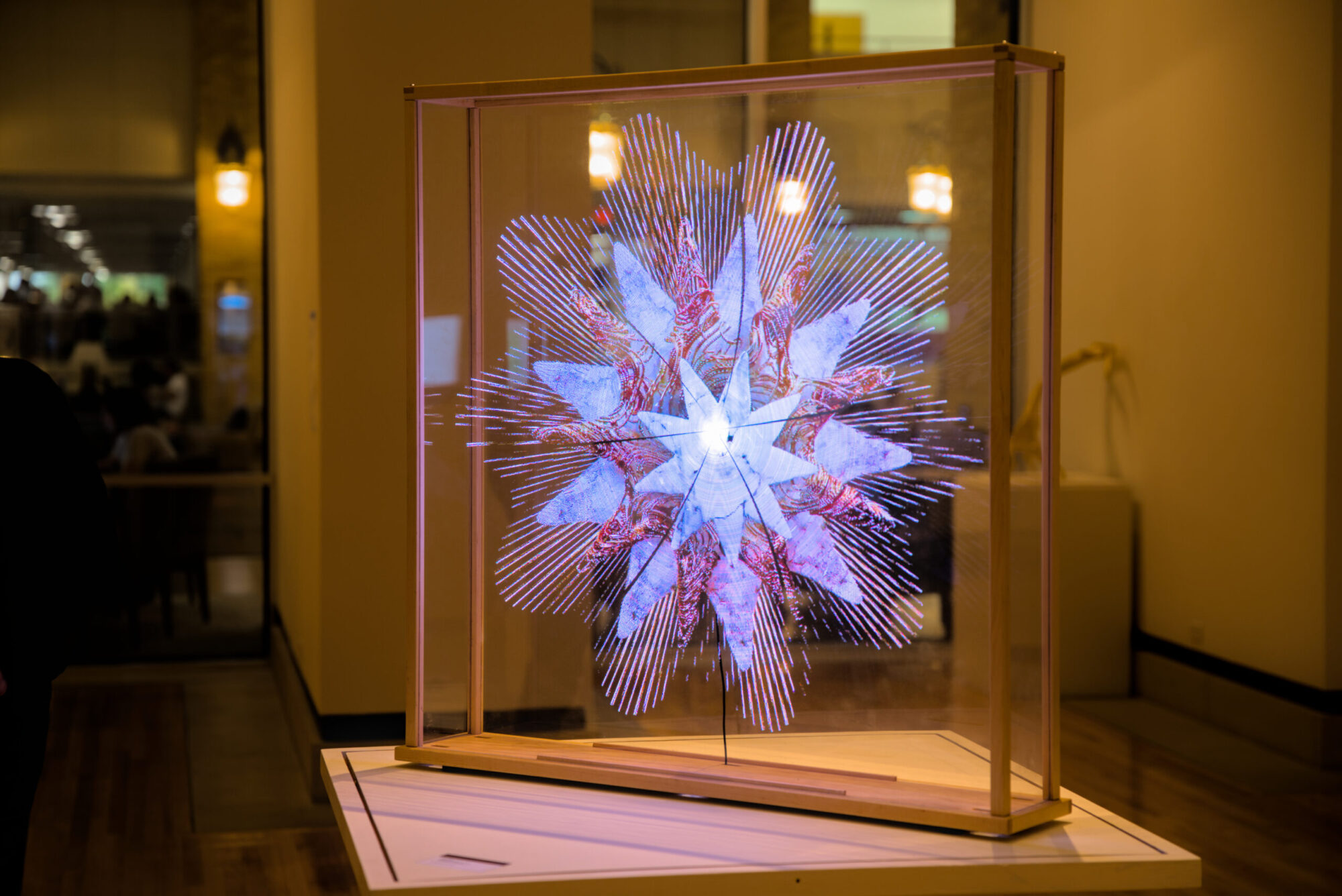
Research and creative works are a vibrant tapestry of inquiry, imagination and innovation spanning art, dance, music, performance, artificial intelligence, immersive realities, cultural storytelling and interdisciplinary exploration. Our faculty are not only creating bold new works but also asking profound questions that shape how we understand ourselves, our communities and our shared future. | Credit (left): artwork “Beyond the Wall of Dreams” by Will Connor, “The Ghost of Blackwood Hall” by Felice House and “Cervus Scopus” by Emily Bujnoch. Credit (above): “Ostensory Vessel #1” by Joel Zika.
Collegewide Recognitions
Research & Creative Works Day 2026
Rudder ComplexThe annual Research and Creative Works Day brings together faculty and students to showcase bold ideas, innovative projects and interdisciplinary collaborations. View the schedule of presentations, panels, workshops and more for this year’s event.
RCWD ScheduleFaculty Recognitions
From awards, publications, exhibitions to premieres and impactful collaborations, the faculty in the College of Performance, Visualization and Fine Arts continue to push boundaries. Explore various faculty achievements as we celebrate their accomplishments. Here are the most recent recognitions:
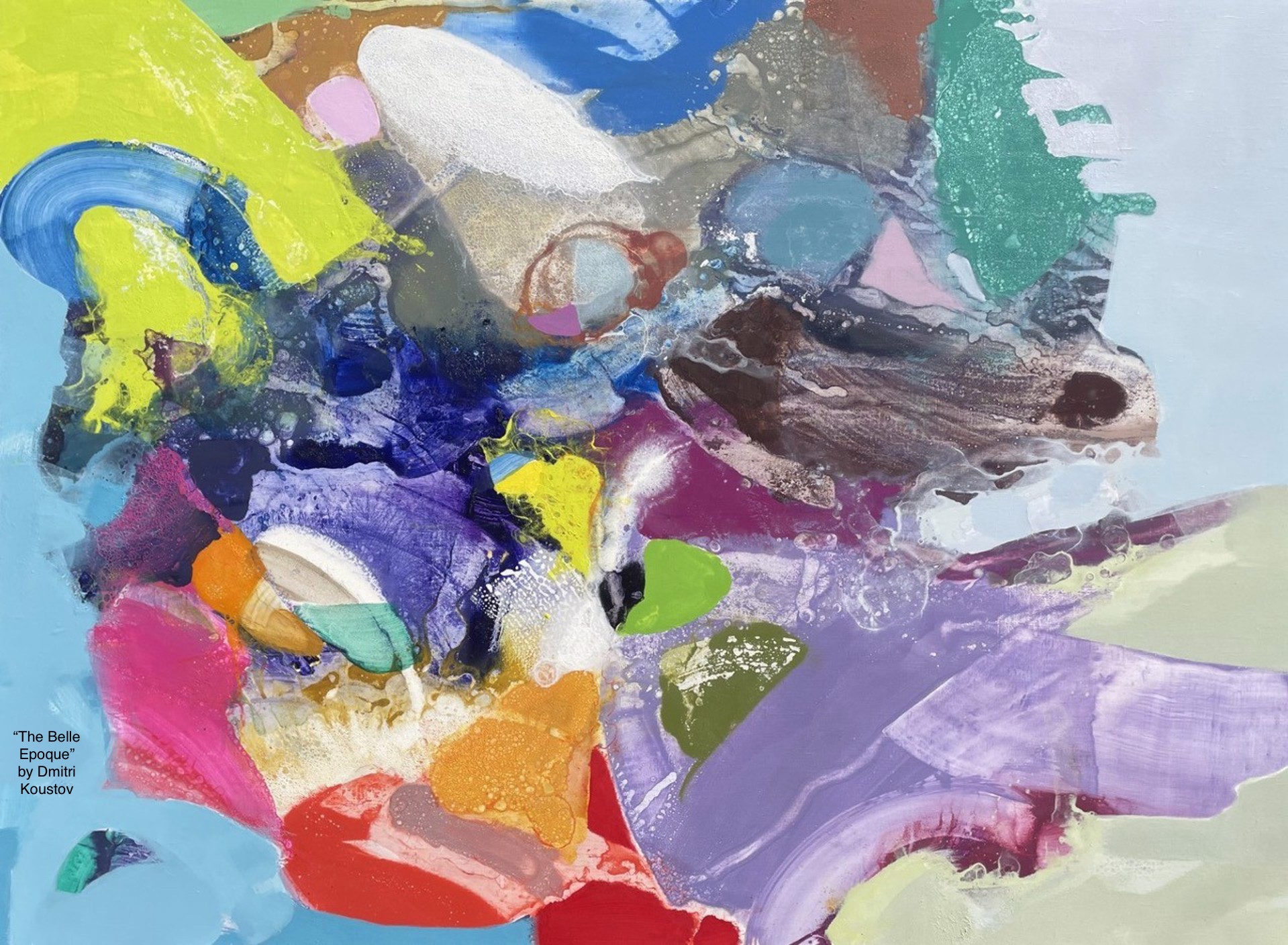
The College of Performance, Visualization and Fine Arts is constructed differently than most. We have performers, designers, technologists, engineers and humanists collectively together — all serving different academic programs and various pursuits. This makes it a lot easier for us to do the interdisciplinary, or what we call ‘interarts work’ that is key to the mission of the college.
Research News

“Archiving the Past: Women’s Film History in France, 1927-1978” was published by the University of California Press earlier this year.

Edgar J. Rojas-Muñoz was given the award by the Center for Teaching Excellence based on a passion for teaching undergraduate students.

Grace Adinku was given the award by the Department of Student Activities in the Division of Student Affairs, which honor exemplary student organizations and advisors.
Institutes and Labs
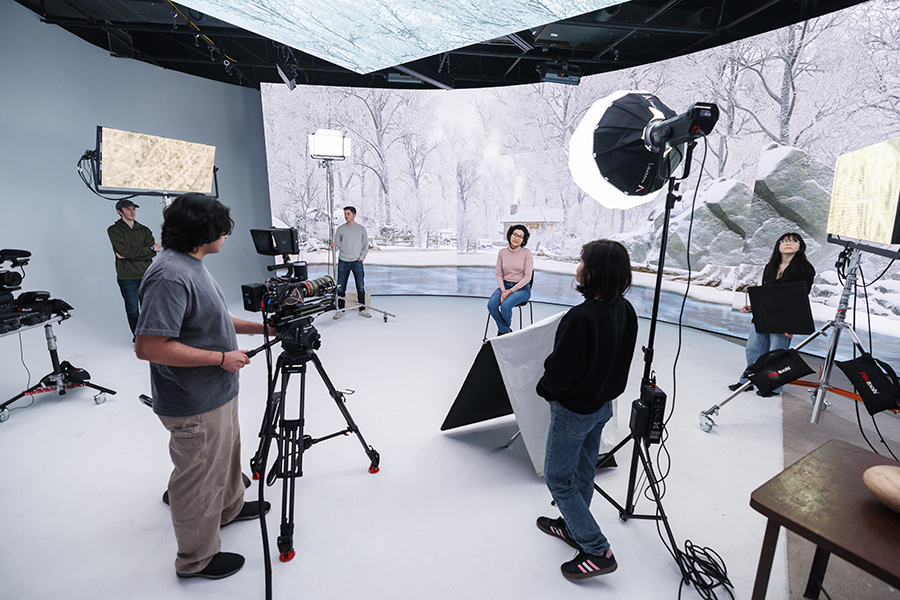
The institute is based on the Bryan-College Station campus with an extension at the new Texas A&M-Fort Worth campus, and aims to support performance capture, large-scale mixed-reality environments, technology-infused classrooms and high-performance computing and instrumentation.
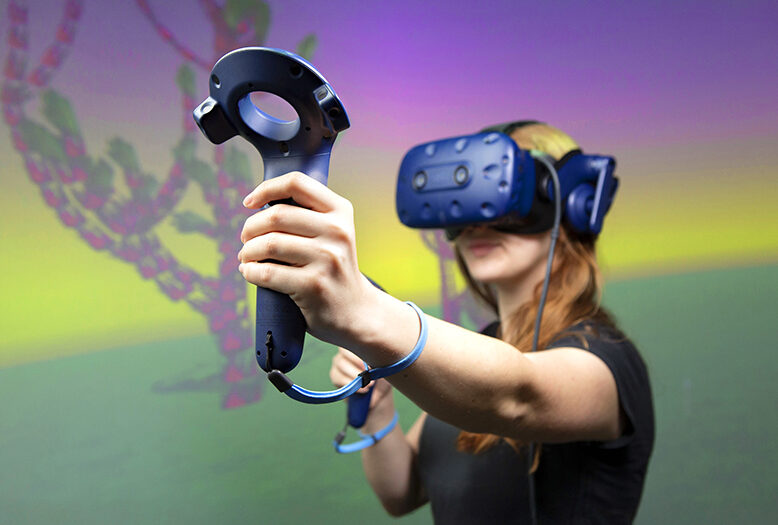
The Institute for Applied Creativity is a forum for collaboration among domains and disciplines intent on creating a radiant future. Led by Jinsil Hwaryoung Seo, Ph.D., the institute champions combinations of experimental, rational, intuitive and analytical methods to realize tangible accomplishments.

The Learning Interactive Visualization Experience Lab, led by Aaron Thibault, is a research lab where students learn to create interactive learning experiences while getting real industry experience. This includes incorporating game technology and methodologies into the classroom experience and within educational research. The LIVE Lab collaborates with other departments, colleges and universities to foster the research and development of educational experiences.
Led by Ann McNamara, Ph.D., the Visceral Intersensory Visualization and Information Design Lab develops new knowledge, resources and community around the data visualization and information design areas of data science, encompassing research, education and outreach. The lab’s goal is to exploit the potential of data visualization and information design. The lab is supported by the Texas A&M Institute for Data Science.
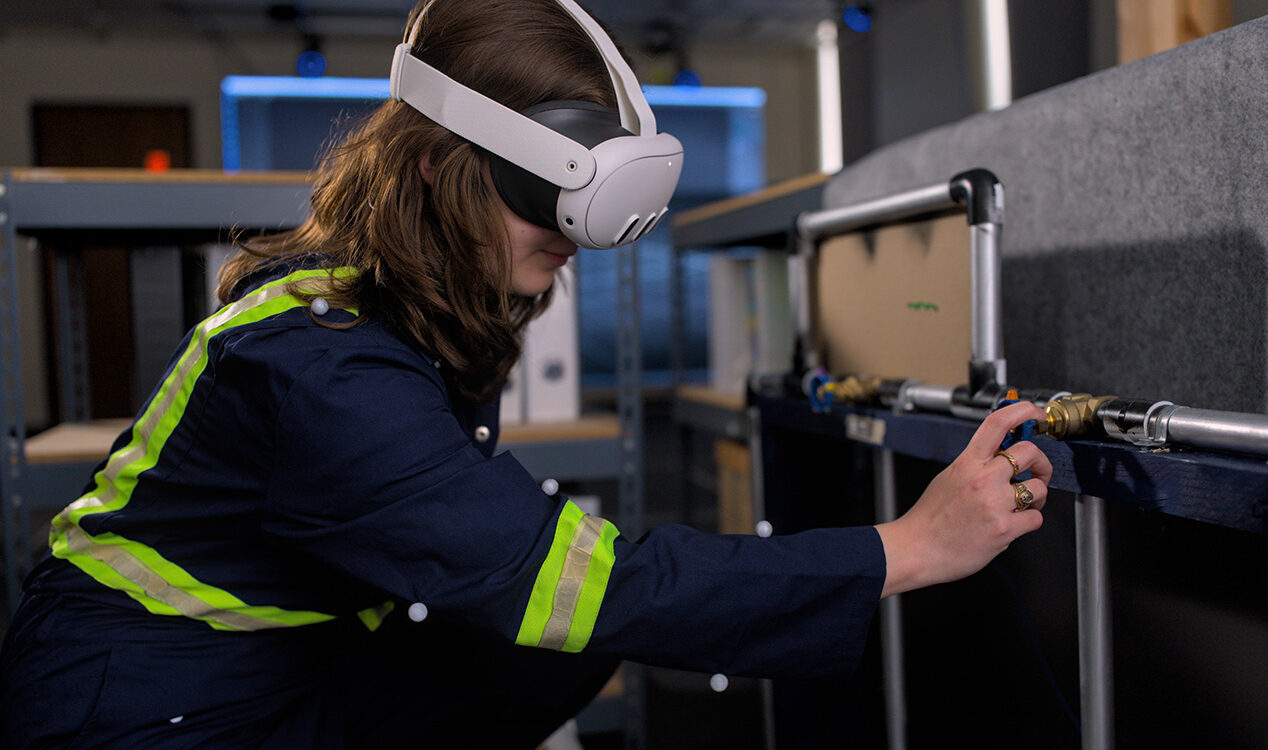
The Laboratory for Extended and Mixed User Realities, led by Edgar J. Rojas-Muñoz, Ph.D., is shaping the future of virtual and mixed user realities. These technologies are meant to become the user interface of the future. The lab’s goal is to bring them out of the lab and use them to tackle real problems.
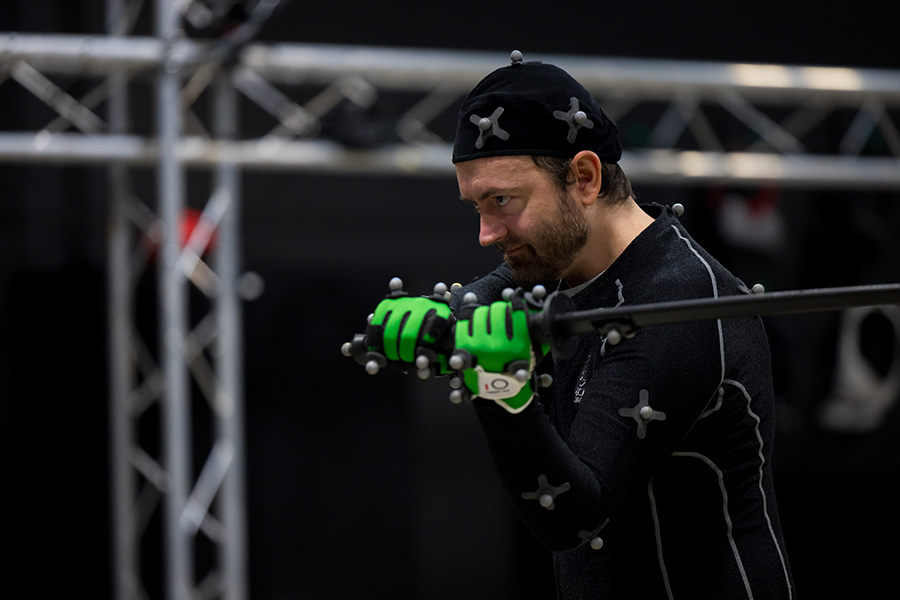
A state-of-the-art motion capture and virtual production facility on the RELLIS campus, led Michael Walsh, M.F.A., the lab is part of the Texas A&M Engineering Experiment Station and focuses on emerging technologies like virtual and augmented reality, smart system design and autonomous vehicles.

Led by Jinsil Hwaryoung Seo, Ph.D., this lab is an interactive art/design research group that integrates physical and digital experiences by experimenting soft/organic materials and embodied interaction techniques.
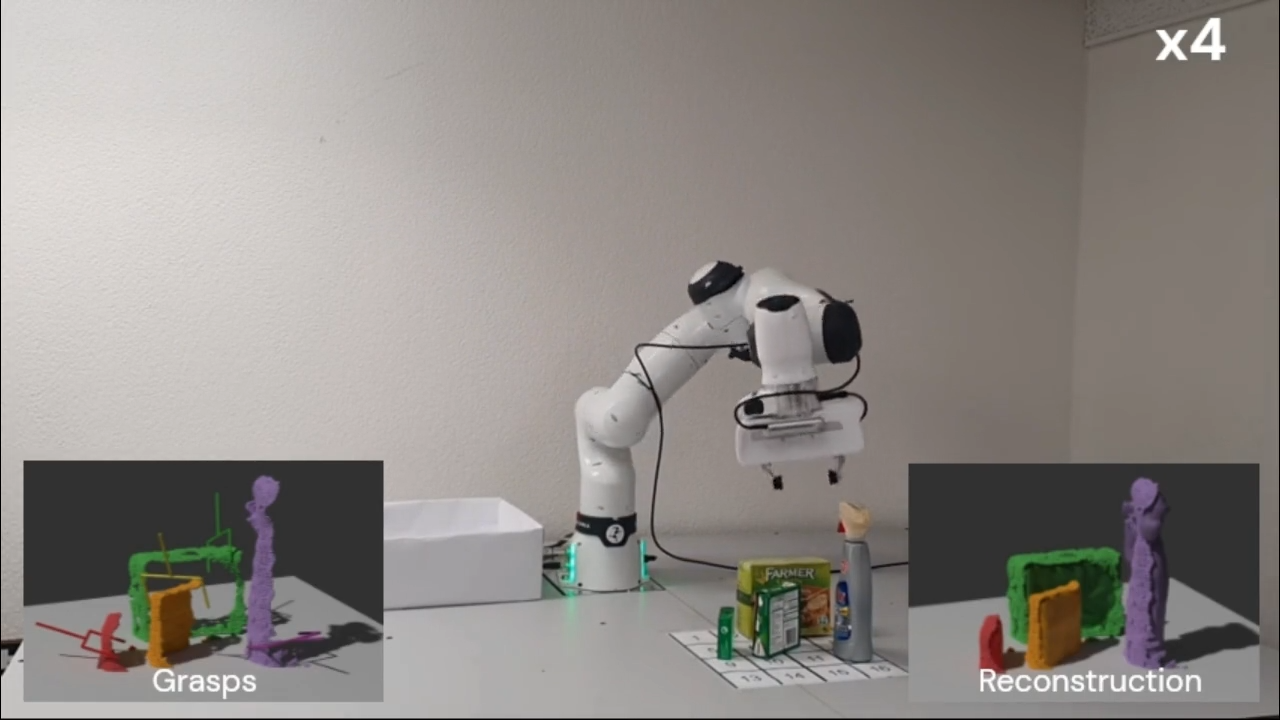
The Visual and Spatial AI Lab, led by Suryansh Kumar, Ph.D., conducts research in computer vision, robotics and artificial intelligence. The lab’s interests include visual representation learning, enabling robots to operate autonomously in complex and unstructured environments, exploring generative AI approaches and more.
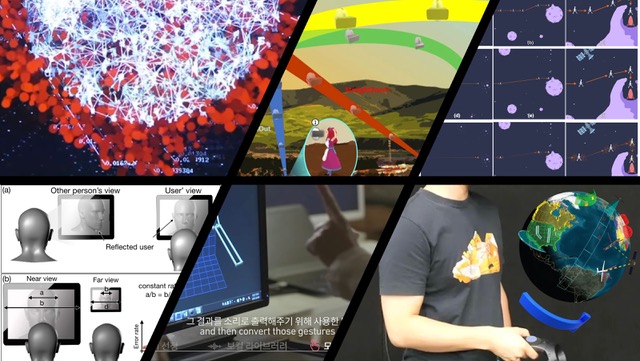
Led by Jong-in Lee, Ph.D., the Spatial Interaction and Interaction Design Lab is an interdisciplinary Human Computer Interaction and 3D User Interface research group. The team investigates how humans perceive and interact with virtual and physical objects and spaces in extended reality. Using these insights, they create innovative spatial interaction, visualization techniques and interaction design tools.