Visualization

Former Visualization students — Jeff Nichols, Amy Richards and Bill Derrington — were invited by Barbara Klein to discuss their careers.

Matthews, a Denver-based artist, was invited by the singer-songwriter for his residency through the Hagler Institute for Advanced Study.


The exhibition opens with a reception Oct. 16 from 5 to 7 p.m. at 4180 Texas 6 Frontage Road in College Station.
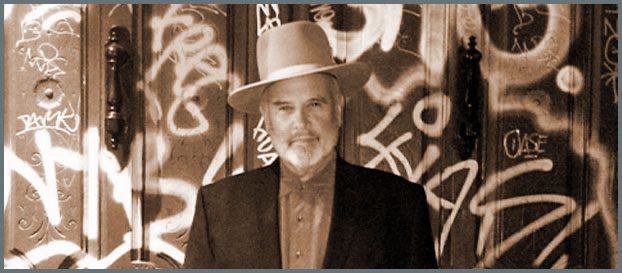
Grammy-winning singer-songwriter Lyle Lovett, as part of his Hagler Fellow residency with the College of Performance, Visualization and Fine Arts, will welcome guest artist William "Willy" Matthews, a Denver-based artist who specializes in paintings of the American West. His work has appeared on album and book covers and in publications including "Western Horseman," "Western Art Collector" and "Art of the West."

“Fresh Forward IV” featured student projects from the college and the College of Architecture from summer 2025 through spring 2026.

Music and Visualization students participated in “Sounding the Republic” in the Rudder Complex Sept. 28-29.

The free concerts, which celebrate the 250th anniversary of the United States, are Sept. 28-29 at 7 p.m. at Rudder Auditorium.

Macias and Rothstein were honored for Outstanding Special Visual Effects in a Single Episode for the show’s “Nightmare on a Gurney."

“Points of View” will feature new paintings by Dmitri Koustov, senior lecturer in the Visualization program, that continue to push abstraction into new territories and meanings.